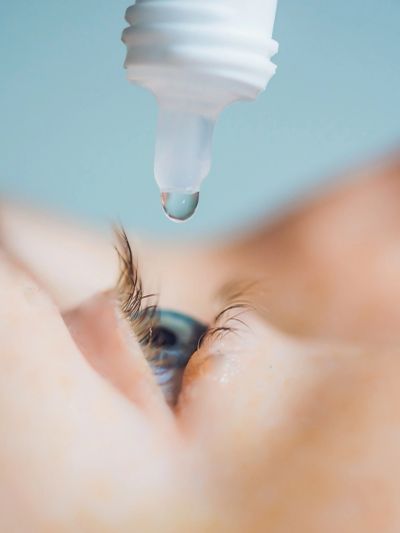
dry eye
Dry eye is a complex condition that affects comfort, vision, and daily life.
What is Dry Eye?
Dry eye is clinically known as Ocular Surface Disease (OSD), an umbrella term for conditions that affect the ocular surface — the clear, delicate tissues at the front of your eye. Dry eye is the most common form, but OSD also includes blepharitis (inflammation of the eyelids), meibomian gland dysfunction (MGD), and conjunctivitis.
Think of your eye's surface like a carefully balanced ecosystem. A healthy tear film has three layers: oil, water, and mucus. When any part of this system is disrupted — whether from age, environment, medication, or underlying health conditions — the surface becomes inflamed, unstable, and uncomfortable. That's OSD.
Quick fact: OSD isn't just about "dryness." It can cause the eyes to water excessively (reflex tearing) or feel gritty, burning, or even blurry.
How Ocular Surface Disease Affects People
OSD can range from a mild nuisance to a chronic, debilitating condition. Because the surface of the eye is packed with nerve endings, even small changes can feel significant. Common symptoms include:
- Dryness, grittiness, or a "sandy" feeling — like something is stuck in your eye.
- Burning or stinging — often worse in air conditioning, wind, or screen-heavy environments.
- Excessive tearing — a paradox: the eye tries to compensate for dryness by overproducing watery tears.
- Blurred or fluctuating vision — especially after blinking or when reading.
- Redness, light sensitivity, and eye fatigue.
- Difficulty wearing contact lenses — many people with OSD can't tolerate lenses comfortably.
Beyond physical discomfort, OSD can affect work productivity, sleep quality, and even mental well-being. People often describe feeling frustrated because the condition is chronic and sometimes overlooked.
Common impacts: screen fatigue, contact lens dropout, reduced reading speed, light sensitivity.
How We Diagnose OSD
Diagnosing ocular surface disease requires a thorough, multi-step evaluation. Here's what we look for:
- Detailed history and symptom assessment — we ask about your daily habits, medications, screen time, and environment.
- Slit-lamp examination — a high-powered microscope that lets us see the tear film, eyelids, and surface tissues in fine detail.
- Tear break-up time (TBUT) — we instil a special dye and measure how quickly your tears evaporate. A short TBUT is a hallmark of unstable tears.
- Ocular surface staining — using fluorescein or lissamine green dyes, we can see damage to the cornea or conjunctiva caused by dryness.
- Meibomian gland evaluation — we check the oil-producing glands in your eyelids for blockages or atrophy.
- Tear volume tests — like the Schirmer test, which measures how much moisture your eyes produce over time.
We also use advanced imaging like meibography to visualise the health of your oil glands. Because OSD is often multifactorial, we combine all these findings to create your personalised profile.
Treatment Options at On Point Optical
There's no "one-size-fits-all" for OSD. Our approach is step-wise and tailored to the root cause — whether it's inflammation, gland dysfunction, or tear deficiency. Here are the main categories of treatment we offer:
Artificial Tears & Lubricants, Meibomian Gland Care
Preservative-free drops, gels, and ointments that supplement your natural tears. We'll help you choose the right viscosity and ingredients. We stock a range of targeted tear supplements and treatments for blepharitis.
Anti-inflammatory Therapy
Prescription drops like cyclosporine to calm surface inflammation. Short-term steroid drops may also be used.
Nutritional Support
Omega-3 supplements and dietary changes can help improve tear quality and reduce inflammation.
Environmental & Lifestyle
Humidifiers, blue-light glasses, blink training, and medication adjustments — small changes that make a big difference.
Advanced options: For severe cases, we may refer you to a specialist for autologous serum tears or scleral contact lenses. We'll discuss every option in plain language and decide together.
Dry eyes can cause discomfort, blurry vision and sensitivity, but with the right care, it can be effectively managed.